PRIVATE · PERMIT-LED · ON REQUEST
Himalayan Ibex
Himalayan Ibex
Availability and final pricing are confirmed personally.
Permits, dates, group size and field logistics determine the final plan.
ON REQUEST
BOOK / RESERVE THIS HUNTHow your hunt is reserved
- Reserve Hunt
- Submit Details
- Markhor Safari Confirms Permit
- Deposit/Payment
- Contract
- Final Itinerary
Submitting this form requests a reservation. Your hunt is confirmed after we confirm the permit, agree and receive the deposit/payment, and complete your contract. We then issue your final itinerary.
- Duration
- 5 Days
- Destination
- Pakistan
- Journey type
- Trophy Hunting, Hunting, Pakistan, Specials
- Departure
- Private / on request
Introduction:
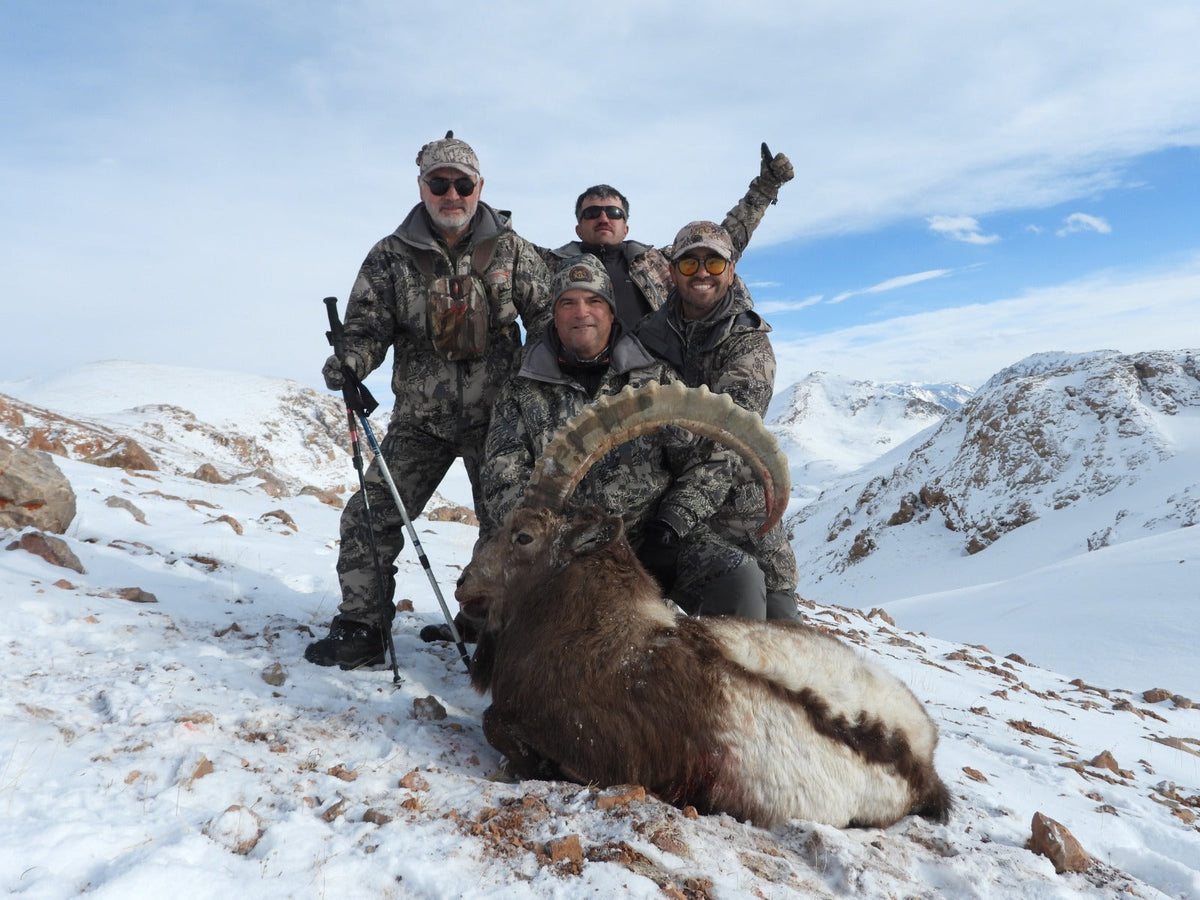
The Himalayan Ibex (Capra ibex sibirica) is indeed a species of wild goat belonging to the mountain goat family. It is found in various countries in Central Asia, including Pakistan, China, India, Afghanistan, Kyrgyzstan, Kazakhstan, Uzbekistan, Mongolia, Russia, and Tajikistan. In the context of Gilgit-Baltistan, Pakistan, and Pamir, Tajikistan, I will provide some information about Ibex hunting in these regions.
About Himalayan Ibex:
Himalayan Ibex inhabit high-altitude areas characterized by rugged cliffs, rocky slopes, and sparse vegetation. They are well adapted to their challenging environment, with strong hooves and a keen sense of balance. These magnificent animals have a thick, woolly coat that protects them from the harsh mountain weather.Behavior:
Himalayan Ibex are social animals and can be found in small herds, typically consisting of females, young individuals, and a dominant male. The males, known as billies, have striking, backward-curving horns that can grow to impressive lengths. They use their horns for territorial displays and dominance battles during the breeding season.Trophy Hunting of Himalayan Ibex:
Trophy hunting of Himalayan Ibex is regulated in Pakistan and requires permits from the local wildlife authorities. It is conducted under a controlled system that ensures sustainable hunting practices. Trophy hunting not only provides recreational opportunities for hunters but also contributes to wildlife conservation and local community development.Auction & Bidding:
The allocation of hunting permits for Himalayan Ibex is done through a fair auction and bidding process. Interested hunters participate in these auctions, where permits are granted to the highest bidders. The revenue generated from these auctions is invested in conservation efforts and local community projects. The pricing for Ibex hunting in Gilgit-Baltistan is determined through an auction system. Usually, only one Ibex is auctioned, and interested hunters participate in the bidding process. The price is fixed based on the final bid, and the successful bidder is granted the hunting opportunity.Hunting Season for Himalayan Ibex:
The hunting season for Himalayan Ibex is carefully determined by the local wildlife authorities. It takes into consideration factors such as the population status, breeding cycle, and habitat conditions. The hunting season is typically restricted to specific months of the year to ensure the sustainability of the population and minimize disturbance to the species.Responsible Hunting Practices:
Markhor Safari is committed to promoting responsible hunting practices for Himalayan Ibex. This includes adhering to strict regulations and guidelines set by the wildlife authorities, and ensuring that hunting is conducted ethically and sustainably. Conservation efforts focus on maintaining healthy population levels, protecting habitats, and supporting local communities through the revenue generated from hunting activities.Tour Plan:
Markhor Safari offers an exclusive tour plan for wildlife enthusiasts and hunters who wish to experience the thrill of hunting Himalayan Ibex in their natural habitat. Our tours are designed to provide a memorable and authentic experience, guided by experienced professionals who prioritize wildlife conservation and the well-being of the species. Join us for an unforgettable adventure that combines the excitement of trophy hunting with responsible and sustainable practices. Note: It is important to note that hunting permits and regulations may vary and are subject to change. It is crucial to consult with local wildlife authorities and adhere to all legal requirements when engaging in trophy hunting activities.


 20000 $ And 5 Days (2024-2025)
Included in the field plan
- Accommodation
- Airport Transfer
- Breakfast
- Gallery Ticket
- Lunch
- Personal Guide
- Snacks
- Field Trophy Preparation
- Hunting License
- Permits
- Transportation While Hunting
How planning works
How planning works
Share your preferred dates, objective and group details. We confirm permits, access, season and logistics before issuing a final itinerary.
A note on availability
A note on availability
All departures are private and subject to permit availability, weather and conditions on the ground.